sriya.etp201@gmail.com - GST NO. : 27FSAPB7782M1Z8
- Send Email
Solenoid Valves
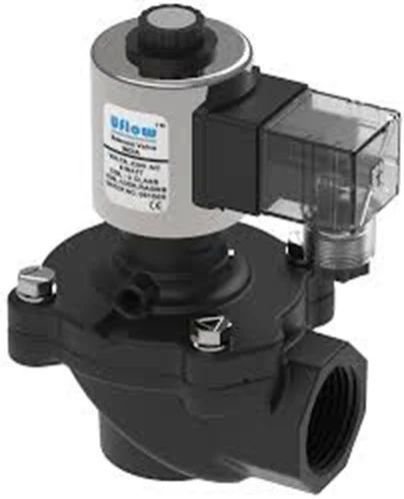
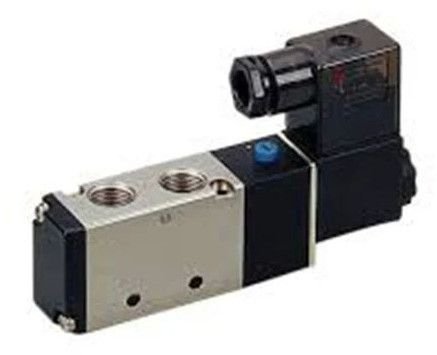
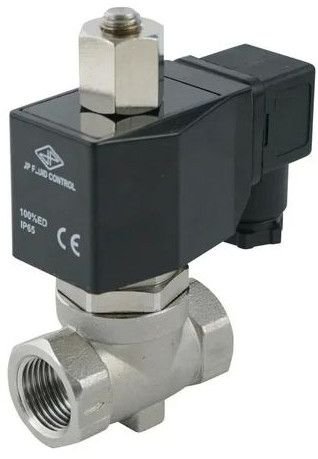
Leading Wholesaler and Trader of Double Acting Solenoid Valve, ECG Machine Solenoid Valve, Festo Solenoid Valve, High Pressure Solenoid Valve, Pneumatic Solenoid Valve and Threaded Solenoid Valve from Pune.
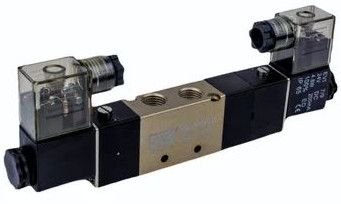
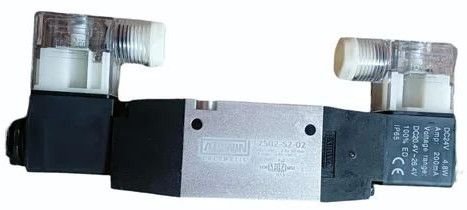
| Business Type | Supplier, Trader |
| Country of Origin | India |
| Automatic Grade | Automatic |
| Material | Aluminum |
| Valve Size | 1/4 Inch |
| Coil Voltage | 220V/24V |
| Media | Air |
| End Connection Type | Threaded |
| Maximum Pressure | 2-10 Bar |
| Maximum Temperature | -5 To 60 Degree |
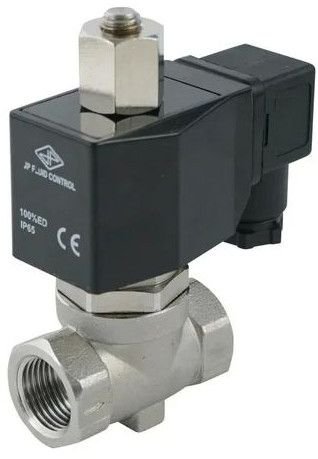
| Business Type | Supplier, Trader |
| Origin Of Country | India |
| Application | ECG |
| Size | Medium |
| GSM | 120 |
| Country Of Origin | Made In India |
Speaking valve is a medical device used by individuals with tracheostomies (a surgical opening in the neck to the trachea to assist with breathing) to enable speech. When a person has a tracheostomy, they often have difficulty speaking because air is diverted through the tracheostomy tube instead of passing over the vocal cords. A speaking valve, such as the Passy-Muir Valve, redirects air upward through the vocal cords, allowing for phonation (sound production) and enabling speech.
Key Features of ECG Electrodes
- Electrolyte Gel: Most ECG electrodes have a layer of conductive gel that helps transmit the electrical signals from the heart to the ECG machine.
- Adhesive Backing: The electrodes have an adhesive backing that allows them to stick to the skin firmly, reducing noise and improving the quality of the signal.
- Lead Placement: The standard 12-lead ECG uses 10 electrodes placed at specific points on the chest, arms, and legs to capture detailed heart activity from multiple angles.
Types of ECG Electrodes
- Disposable Electrodes: Typically used in clinical settings; designed for single use.
- Reusable Electrodes: These are generally more durable and designed for repeated use, often seen in continuous monitoring setups.
- Dry Electrodes: These do not use a gel and rely on other materials to conduct electrical signals. They're often used in wearable devices.
- Wet Electrodes: These contain conductive gel to enhance signal quality, making them ideal for short-term or one-time use in medical facilities.
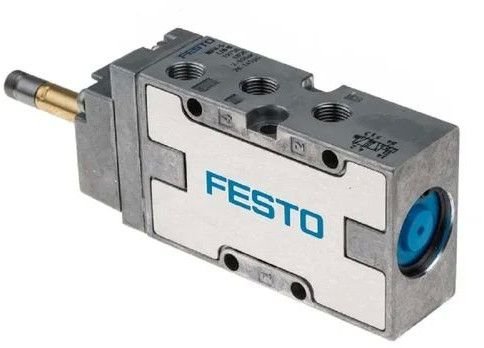
| Business Type | Supplier, Trader |
| Usage | Industrial |
| Brand Name | festo,Festo |
| Origin Of Country | India |
| Material | Aluminum |
| Media | Air |
| Automatic Grade | Semi Automatic |
| No. Of Port | 5 |
| Business Type | Supplier, Trader |
| End Connection Type | Threaded |
| Application | Medical |
| Material | PVC |
| Color | White |
| Brand Name | Shiley |
| Connector | 15mm |
| Latex Free | Yes |
| Country of Origin | India |
High Pressure Solenoid Valve used by individuals with tracheostomies (a surgical opening in the neck to the trachea to assist with breathing) to enable speech. When a person has a tracheostomy, they often have difficulty speaking because air is diverted through the tracheostomy tube instead of passing over the vocal cords. A speaking valve, such as the Passy-Muir Valve, redirects air upward through the vocal cords, allowing for phonation (sound production) and enabling speech. Here's a bit more on how it works: Placement : The speaking valve is placed on the outer end of the tracheostomy tube. It’s typically a one-way valve, meaning it allows air to flow in through the tracheostomy but not back out. Functionality : When the user inhales, air flows through the valve into the lungs. When they exhale, the valve closes, directing exhaled air up through the vocal cords and out the mouth or nose. This flow of air over the vocal cords allows sound production and facilitates speech. Benefits : Besides allowing speech, speaking valves can improve breathing, oxygenation, and the sensation of normal airflow. They may also help in swallowing and restoring a more normal sensation in the upper airway. Suitability : Not everyone with a tracheostomy can use a speaking valve. It requires a certain level of respiratory function and strength, as well as the ability to tolerate airflow across the vocal cords and upper airway.
- Placement : The speaking valve is placed on the outer end of the tracheostomy tube. It’s typically a one-way valve, meaning it allows air to flow in through the tracheostomy but not back out.
- Functionality : When the user inhales, air flows through the valve into the lungs. When they exhale, the valve closes, directing exhaled air up through the vocal cords and out the mouth or nose. This flow of air over the vocal cords allows sound production and facilitates speech.
- Benefits : Besides allowing speech, speaking valves can improve breathing, oxygenation, and the sensation of normal airflow. They may also help in swallowing and restoring a more normal sensation in the upper airway.
- Suitability : Not everyone with a tracheostomy can use a speaking valve. It requires a certain level of respiratory function and strength, as well as the ability to tolerate airflow across the vocal cords and upper airway.
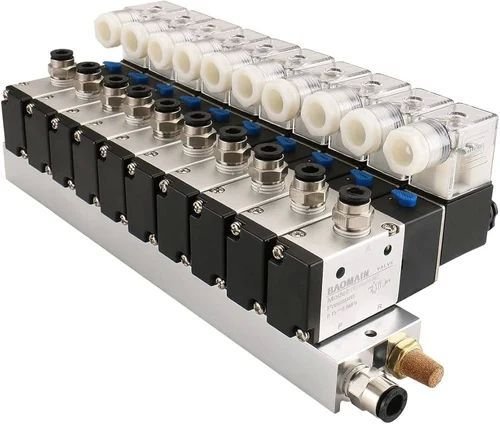
| Business Type | Supplier, Trader |
| Automatic Grade | Semi Automatic |
| Material | Mild Steel |
| Application | Industrial |
| Brand Name | Festo |
| Type | Pneumatic |
| Valve Size | 1 Inch |
| End Connection Type | Flanged |
| Coil Voltage | 24V |
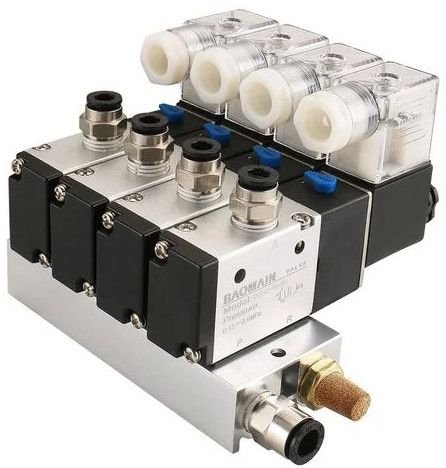
Pneumatic solenoid valve is an electrically controlled valve used to direct the flow of compressed air in a pneumatic system. It operates by using an electromagnet (the solenoid) to control the movement of the valve, which opens or closes passages for the air to move through, based on electrical signals. These valves play a key role in industrial automation and machinery, enabling precise control over pneumatic actuators, cylinders, or tools by regulating the airflow.
Here's an overview of its components and how it functions:
- Solenoid: An electromagnetic coil that generates a magnetic field when an electric current passes through it.
- Plunger: A movable metal component within the solenoid that is pulled when the solenoid is energized, activating or deactivating the valve.
- Valve Body: Contains the pathways for airflow. The configuration of the body determines how air flows through the system.
- Ports: Inlet, outlet, and exhaust ports in the valve body allow air to enter, exit, or vent as necessary.
- Spring: Returns the plunger to its original position when the solenoid is de-energized (in some valves, like normally closed types).
Types of Pneumatic Solenoid Valves
- 2-Way Valve: Controls airflow in one direction and has an inlet and outlet port.
- 3-Way Valve: Often used for single-acting cylinders; it has three ports: inlet, outlet, and exhaust.
- 4-Way Valve: Commonly used for double-acting cylinders, with four or more ports to control the actuation in both directions.
Applications
Pneumatic solenoid valves are used in industries such as:
- Manufacturing and Assembly: To control pneumatic tools and actuators.
- Automotive: In systems like automatic transmissions and suspension control.
- Pharmaceutical: For precise control in pneumatic automation.
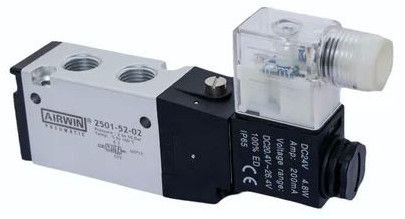
| Business Type | Supplier, Trader |
| Origin Of Country | India |
| Valve Size | 1/4 Inch |
| Media | Air |
| End Connection Type | Threaded |
| Automation Grade | Automatic |
| Structure | Solenoid |
